
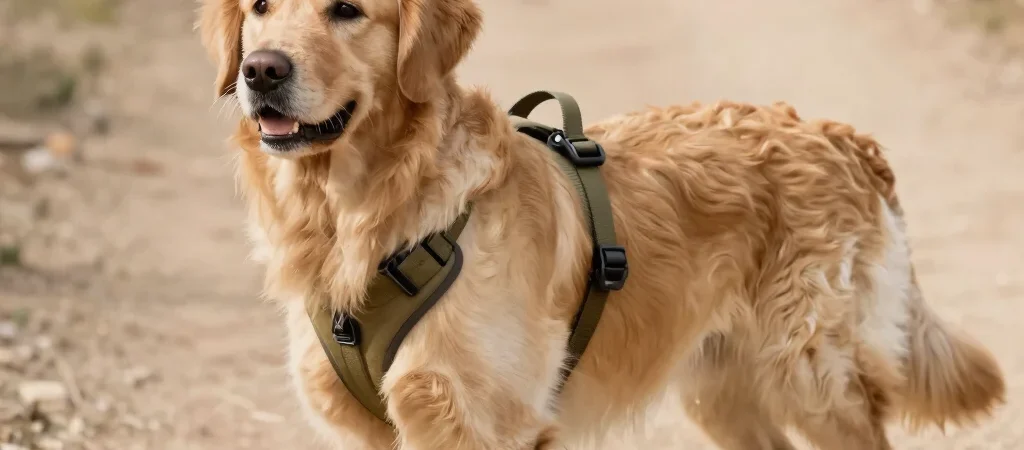
Walking a high-energy dog who treats every squirrel sighting like a sprinters start can turn a quiet morning stroll into an exhausting tug-of-war. Traditional collars place unnecessary pressure on sensitive tracheas, while basic back-clip harnesses often encourage reactive dogs to pull harder against the restraint. Transitioning to a front-leash attachment point fundamentally shifts the mechanics of leash pressure by steering the dog gently back toward you whenever tension builds.
Key Construction Features That Prevent Chafing
When assessing a front-clip harness, strap placement and padding density matter far more than flashy colors. Look for broad chest plates lined with breathable mesh and Y-shaped shoulder straps that leave the shoulder blades free to rotate naturally during full strides. Tight webbed straps sitting flush against the armpits quickly cause raw friction spots, especially during damp or muddy spring walks.
Hardware Durability Under Sudden Tension
Heavy pullers test buckles and attachment rings to their absolute limit over time. Reinforced aluminum V-rings at the chest offer significantly better longevity than lightweight plastic rings, which can crack under freezing temperatures or sudden impact forces. Double-stitched nylon webbing with boxed X-bar bartacking ensures the harness maintains its structural integrity even after dozens of machine washes.
Finding the Right Fit for Daily Trails
A well-fitted harness should permit two fingers to slide easily under every strap without shifting off-center during an abrupt turn. Note that our review articles contain affiliate links, which help support our independent testing program when you choose to purchase recommended gear. Focus on adjusting the belly strap first to anchor the piece before fine-tuning the chest and neck sliders for optimal control.